customer centric Chinese purple mud teaware?
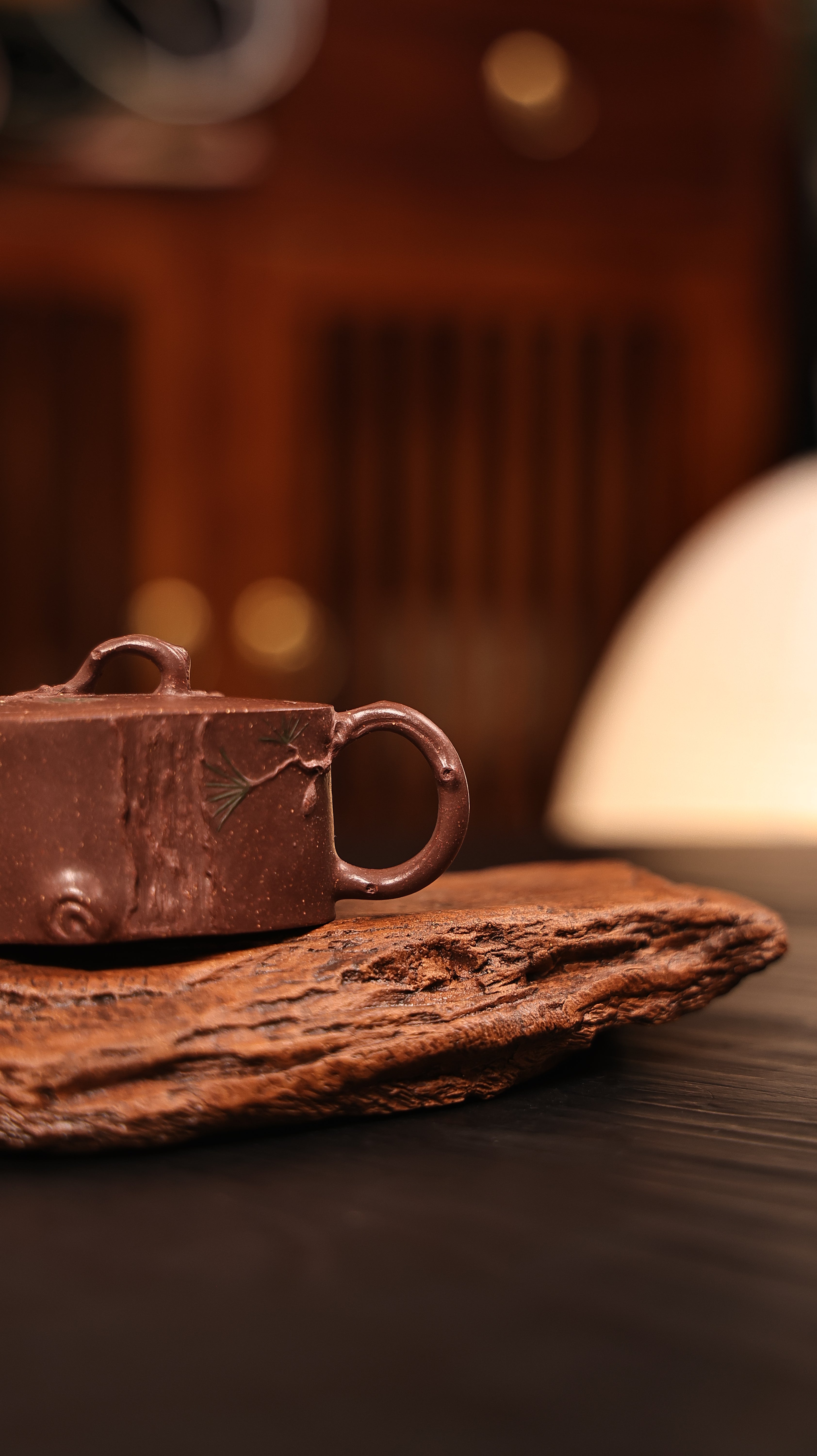
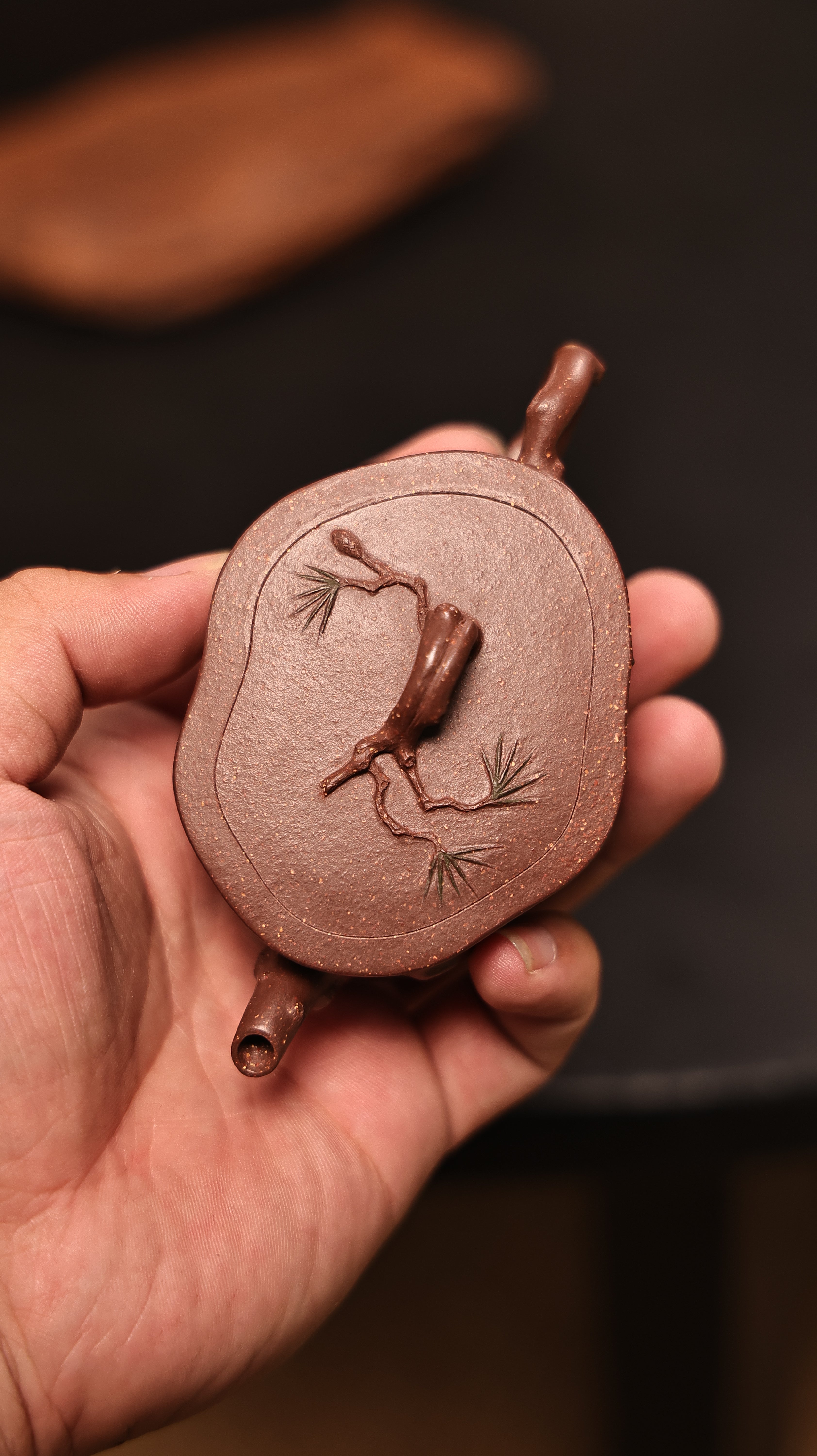
Embarking this in-depth survey of Eysing Tzu Sha porcelain pots features distinct compelling amalgamation encompassing dexterity in conjunction with serviceability.
Yihsing Tzu-sha clay vessels retain special incomparable fascination towards connoisseurs all over the world. Specific stunning porcelain containers, emanating from the unique Eysing area in Jiangsu zone, China, function as more than just infusion tools; they are recognized as works crafted beauty and historical significance. Special finely sorted clay, known referred to as Zisha, imparts a refined flavor upon the tea, and the fancy designs, often casting traditional Chinese elements, enhance their inherent value. Gaining a genuine Yixing Zisha teapot constitutes a delightful journey, posing careful scrutiny and an comprehension of the several factors influencing the uniqueness.
Exploring Yixing Brewing Vessels
Ising clay pots boast a colorful legacy deeply interwoven with Chinese heritage. Originating in Yixing, Jiangsu division, these earthenware are crafted from a unique, porous purple clay found only in that special location. Their creation began during the Ming age, with master ceramicists refining the techniques over epochs. Various types persist, including the classic Hexiang (resembling crab shells), Zhuni (red-brown hue), and Duan Ni (stone-studded) – each with distinctive appearances. The cost Yixing Zisha Teapot of an Yixing pottery isn't solely based on its size or decoration, but also on the artisan’s reputation, the material's quality, and the pot’s age and condition. Connoisseurs often seek out older examples, believing they imbibe the nuance of the elixir brewed within them over time, further adding to their desirability.- Heritage Vessels
- Mahogany Vessels
- Stony Pots
Zisha Teapot Mastery: Handiwork & Methods
An making of Zisha teapots represents a apex of Chinese ceramic craftsmanship. Skilled artisans employ historic techniques, often passed down through heritage, to unlock the full capability of this unique clay. Systems involve meticulous shaping by hand, often combined with the stacking method, followed by precise tempering at incredibly intense temperatures in wood-fired kilns. Ornamenting is equally crucial; designers utilize inherent clay colors and may incorporate engraving work to depict intricate scenes or patterns, demonstrating a profound awareness of the material’s properties and vitality. The product teapot isn't merely a vessel for tea, but a testament to a valuable cultural legacy.
Eastern Pottery: An Guide to Ising Zi-sha
Exploring the world of Ancient teapots often starts with Yixing Zisha. These exceptional clay ceramics are formed from a specific type of clay located only in the Yixing region of Jiangsu Province province. Recognized for its singular reddish-purple hue and premium properties, Zisha clay gives a nuanced flavor to the beverage and progresses with age, shaping into a cherished valued item. Collecting Yixing Zisha vessels is more than just owning a attractive object; it’s a appreciation of legacy and technique.
Examining certain Ceramics: Sincerity & Elevation
Starting the environment of Yixing Zisha earthenware can be remarkably beneficial, but entails a careful cognition. Validity is required; plentiful counterfeits are available, commonly expertly manufactured. Gaining understanding about conventional baking methods, unique clay essences, and the emblems of honored craftsmen is totally necessary. Furthermore, realizing the particulars of the evolution pattern – influenced by aspects such as historical value and the form of the artifact – is essential to rewarding purchasing.
- Analyzing firing record.
- Requesting specialists for authentication.
- Estimating commerce fluctuations.
Unique Discipline of Making with a Stoneware Pot
This exclusive allure of a Zisha kit lies not just in its exquisite appearance, but also in its distinguished impact on the savor of the beverage. These old clay vessels, sourced from singular regions of China, possess a organic porosity that subtly interacts with the drink and leaves, imbuing the brew with a elegant character. Mastering the approach requires a patient approach, understanding how the soil responds to varying degrees and herbal types, ultimately leading to a sincerely rewarding sipping adventure.
Protecting Exclusive Gem
Proper treatment of your Yixing urn is crucial to extending its viability. These prized teapots, crafted from uncommon Yixing clay, accrue a appearance over time that boosts their esteem. Periodically rinse the inside part with warm water, avoiding harsh substances, and never use harsh scrubbing tools. Intermittent gentle washing with a delicate cloth can facilitate in doing away with residue. Allow your urn to completely dry prior to each infusion
Decoding Purple: Aspects Yixing Vessels Signify Outstanding
The famous appeal of Yixing teapots arises from the exclusive properties of Zisha clay, mined solely near Yixing, Jiangsu. This distinct clay, consisting of ferruginous ceramic , holds a atypical combination of minerals that, through use, assimilate the bouquet of the liquids it holds. This creates a unique essence for each ceramic pot, ensuring it a value far greater than its starting price and adding to their valued status among experts.
Hunting for the Fitting Chinese Ceramic Vessel: A Yixing Clay Introduction
Venturing into the world of Zisha clay teapots can feel challenging, but understanding the principles is crucial to identifying a cherished piece. That kind of clay, sourced predominantly from the environs of Yixing, Jiangsu, is renowned for its unique porosity and ability to improve the savor of the tisane over duration. Ponder the configuration, the tint, and the visual appeal; a real Zisha teapot is more than just a pot; it's a masterpiece and a reflection of traditional culture. Look for the character of the fabricator for clues to its roots and potential cost.