densely packed nano-structured durable conductive silicone gel?
In the challenging domain of electronic enclosure sealing, sealants using acid foundations have arisen as advantageous choices owing to remarkable binding qualities and resistance to harsh surroundings. These formulations create reliable barricades against dampness, decay, and foreign substances. Additionally, their versatility interfacing with different surfaces enhances their functional range.
- Albeit
- constraints linger
- linked to acid-enhanced sealants.
Such complications involve risk to electronic substrates and issues tied to material steadiness through operation. Broad studies and development attempt to solve these problems and enhance acidic coating suitability for electronic enclosure solutions
Cutting-edge films enhancing thermal regulation in device hardware
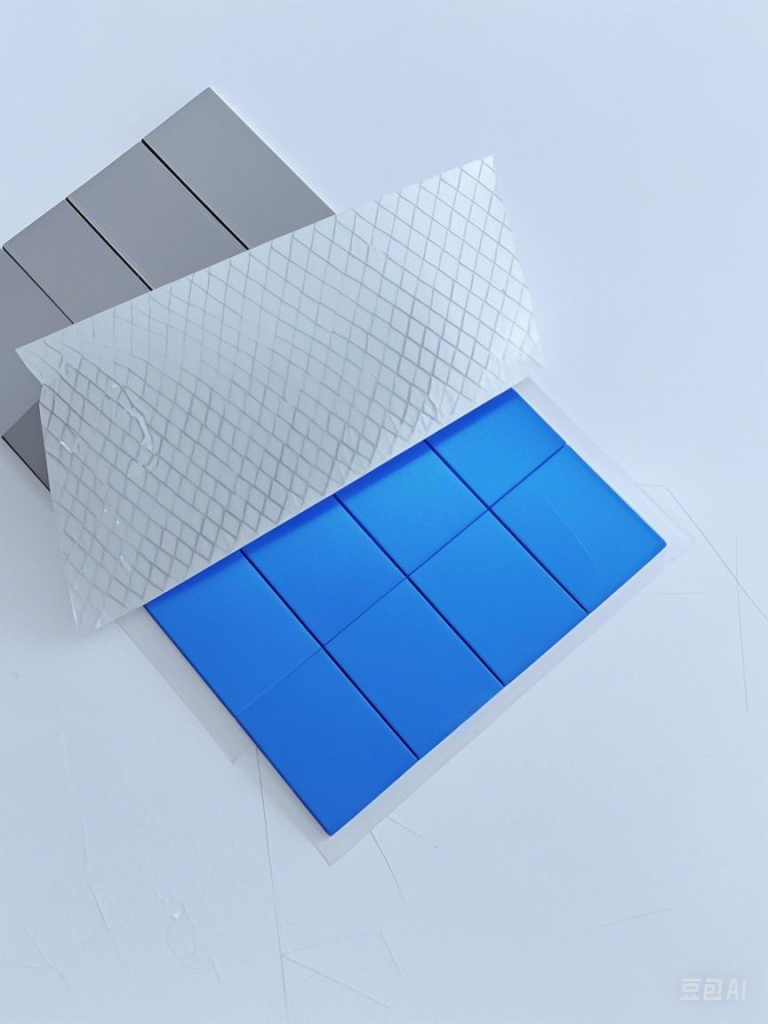
In the fast-evolving technological arena, effective heat removal has become a priority. Thanks to downsized devices with boosted operation, thermal regulation challenges expand. Innovative conduction layers offer high warming removal capacity plus adaptability. Such membranes join with system parts, enhancing temperature regulation outcomes. Application within telecommunication equipment and digital gear enhances runtime, improves efficiency, and supports consistent performance.
- Heat-spreading films allow tuning for exact thermal management through composition and layer adjustments
- Integrating heat-conductive materials into fabrication lines remains typically simple and efficient
- Continuous innovations propel conductive film technology toward increasingly advanced temperature control and broader uses
Advanced PSDM Systems Enhancing Hardware Assurance
In the developing technology environment, sustaining product robustness is essential. Techniques such as PSDM provide disruptive mechanisms managing urgent demands. The system affords companies insight to surveil performance upfront, reveal potential damage, and activate swift upkeep. This predictive focus critically lowers outage duration, enhances work rates, and grows apparatus life.
Conductive Silicone Formulations
Such compounds merge silicone's elasticity and conductivity qualities. Specialized for applications demanding integrated electrical and warmth conduction. Also, protection against high heat, dampness, and ultraviolet rays expands their suitability for industrial and customer domains
- Multiple typical uses for electrically conductive silicone sealants include applications in electronics, automotive manufacturing, and medical fields
Advanced Acidic Sealants Built for Extreme Environments
Applications subject to constant depletion rely on strong barricades. Progressive acid compounds impart notable protection against severe acidic interactions. Formulated using resilient elements, the solution sticks tightly to diverse bases, providing sustained defense under aggressive acid conditions
- Critical facets embrace impermeable sealing, temperature endurance, and long-term reliability
Select our top-tier acid sealer for dependable defense in challenging conditions
Conductive Sealing Solutions Enhancing Thermal Management
Within the electronics and thermal regulation sectors, thermal conductive sealants serve vital purposes in optimizing heat flow inside devices. These sealers demonstrate outstanding thermal transfer properties, ensuring fast evacuation of leftover heat from circuits. Establishing solid contacts between electronic hardware and heat sinks, these materials help lower temperature variations. Resulting improvements include enhanced performance, sustained dependability, and greater lifespan through overheating prevention.
Picking a fitting thermal transfer sealer depends on operational environment, substrate harmony, and adhesion levels. Refinement of conductive thermal agents persistently increases performance, assisting in miniaturized and reliable thermal regulation
Exceptional Bonding Strengths of Silicone-Based Conductive Sealants
Conductive silicone sealers demonstrate strong attachment to various material types guaranteeing stability. Such outstanding adhesive capacity is critical to secure reliable electric continuity and prevent mechanical failure. Compound structure with silver inclusions or carbonaceous fillers reinforces attachment to metallic, synthetic, and vitreous surfaces. Solid bonding fosters hardware reliability via protection against vibrational, temperature, and moisture impacts.
Compatibility of Acidic Sealants with Semiconductor Materials
Selecting sealants for semiconductor devices mandates examination of matching with base layers. Despite strong bonding advantages, acid-driven sealants may introduce risk to sensitive semiconductor layers. Thorough examination and detailed evaluation are essential to verify safe application of acidic sealants on semiconductor substrates.
Elements such as acid density, exposure period, and environmental temperature shape sealant efficiency and substrate impact. Completing systematic inspections ensures no harm to delicate semiconductor components from aggressive acidic sealers
Significance of Conductive Films in Electronic Product Manufacturing
Electric-conductive layers offer necessary participation in enabling power conduction within gadget manufacturing. The materials authorize uninterrupted power passage, ensuring reliable working of integrated electronic systems. Utilizations cover flexible electronic panels, thin-film transistors, sensory devices, and microelectronics. Reliable electrical transfer with ultra-thin form factors meets requirements for progressive electronics fabrication
The characteristics of conductive films are carefully tuned to satisfy precise specifications across applications. For instance, electrical conductivity may be optimized to guarantee maximal device performance and efficiency. Furthermore, conductive films adhere to surfaces including plastic, glass, and metal broadening flexible technological prospects
- Positive aspects include elasticity, delicate makeup, and cost-efficient manufacturing
- They receive growing utilization in mobile apparatuses, notebook gadgets, and wearable tech
- Future directions emphasize clear, bendable, and regenerative conductive membranes featuring enhanced charge transfer
Examining PSDM Against Standard Bonding Procedures
Within structural joining science, main approaches like PSDM and traditional methods drew focus. This review performs contrast underscoring positive and negative aspects. PSDM exhibits speed, precision, and suitability for delicate substrates. Unlike PSDM, conventional approaches depend on mechanical procedures often granting strong bonding but slower rates
- Leading pros of PSDM encompass varied applicability and effortless employment
- Legacy bonding approaches commonly provide firmer joints favored in high-stress uses
Forward-Looking Trends in Acidic Sealant and Conductive Film Science
The acidic sealant and conductive film industries anticipate substantial growth and evolution. Primary movements focus on creating binders with enhanced toughness suitable Acidic sealant for harsh applications. Alongside, research promotes advancements in conductive coatings for flexible gadgets, sensing elements, and power sources.Joint efforts integrating scientists with market leaders remain indispensable for innovation momentum. Together, this strategy promotes acid-film and conductive product progress matching varied commercial sector requirements