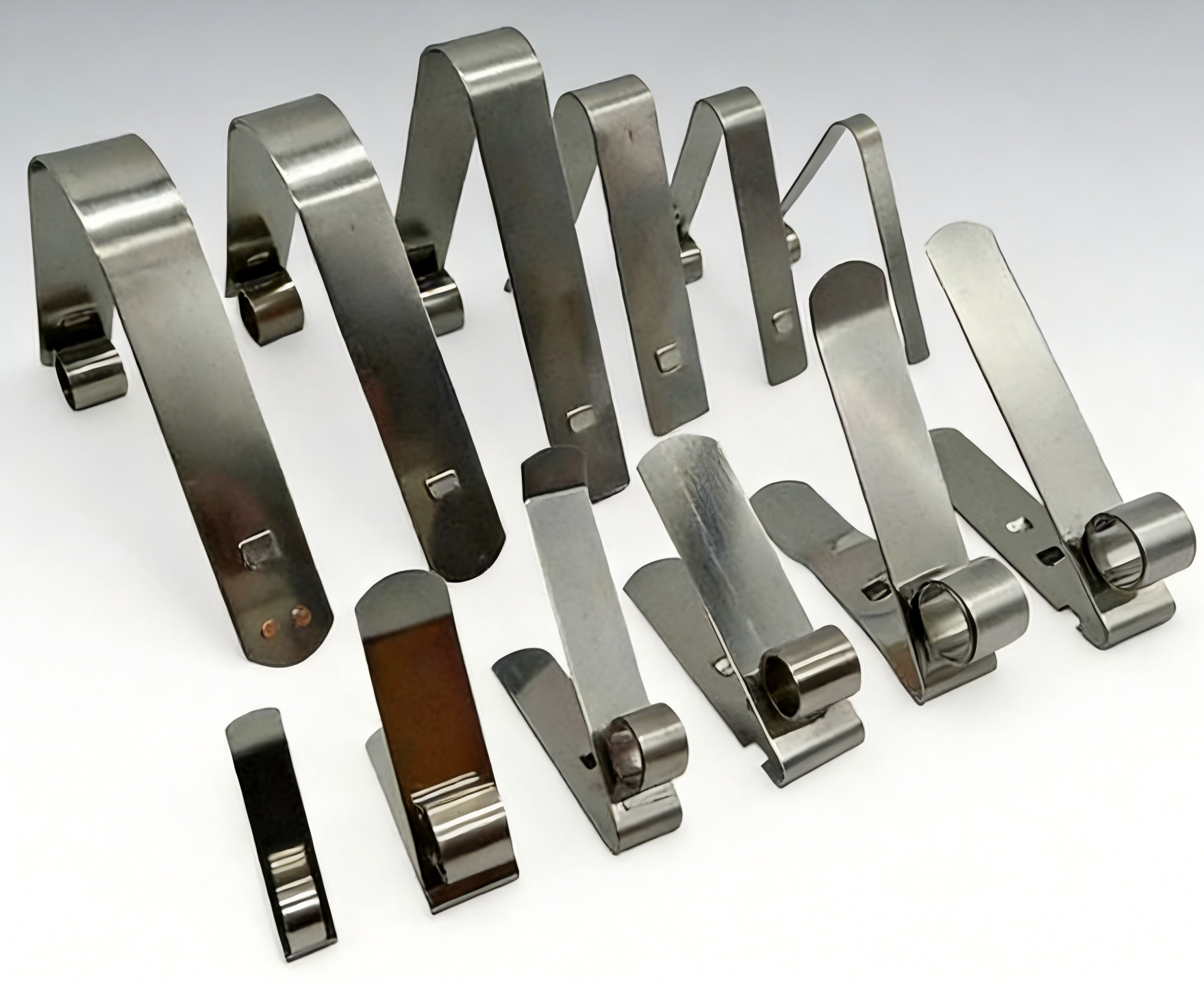
logistics aware future proof Carbon brushes choices?

Assuring maximum output and durability out of the particular brush elements, distinct proactive approach exists as crucial. Frequently check the brush parts to detect indications of degradation, like cracks or else excessive abrasion. Protecting right junction coupling the brush and commutator is essential. It is possible using regulating the fastening screws on brush holders to achieve a tight clamp without extra stress. In addition, preserving holders pure Carbon brushes and clutter-free aids in smooth running. To maximize output, consider replacing brushes at regular intervals as specified by the manufacturer's recommendations. Diligently cared-for brushes aid secure current paths and amplify device lifespan.
Essential Guide to Carbon Brush Holder Design and Selection
Regarding the layout or choice of a brush holder for electrical motors, a number of factors need careful consideration. Holder fabrication notably alters brush efficacy, lifespan, and entire efficiency. To maintain high operational standards and lifetime, selecting a holder adhering to motor specifications is critical.
- Various issues affect perfect brush holder design, like motor category, voltage and amperage limits, working conditions, and targeted output.
- Determining materials is important for suitable holders Typical substances involve copper blends, polymers, and ceramic composites, all contributing distinct features for conduction, toughness, and heat endurance.
- Pattern and assembly of brushes further impact greatly Quantities, dimensions, and layout of brush units require precise specification to allow correct electrical flux and commutator touch.
Also, design of holder must comprise facets suppressing brush breakdown, sliding, and electric discharge. Regularly involves deploying springs, holders, joint mechanisms ensuring consistent brush stress coupled with ventilation, refrigeration, thermal release units to stop overheating.
Optimal Slip Ring Construction and Material Choices for Enhanced Reliability
Slip ring endurance is intimately linked to the meritfulness of forming materials. Building techniques critically impact consistent longevity. Commonly used materials include copper, brass, bronze for contacts, with insulators such as mica or epoxy providing electrical isolation. Contemporary slip ring blueprints typically integrate elements such as self-greasing, enclosed, dirt-proof bearings reducing abrasion and fatigue. Boosting performance continuity. A well-constructed slip ring with appropriate material choices is vital for ensuring smooth power transfer and reliable operation in demanding environments.
Building Collector Rings
Collector rings represent indispensable elements in many electrotechnical and mechanical scenarios, especially related to swift rotation. Collector ring units encompass multiple conductive coils promoting electricity or data passage between static and rotating components. Collector ring building comprises vital steps including picking proper materials, shaping rings with tight tolerances, and reliably fixing them to a turning axle. Successful assembly assures reliable electric coupling and moderates rubbing between rings and brushes.
- Moreover, evaluating ring dimensions, segment quantity, and insulator materials is vital when putting together collector rings. Specialized constructive processes shift depending on collector ring jobs and creator’s recommendations.
- Comprehending collector ring assembly details is critical among engineers and specialists engaged in rotary electrical gear design, manufacture, or servicing.
Minimizing Electrical Sparking in Spinning Arrangements
Electrical discharge in spinning machines results in various dangerous conditions. This incident develops once powerful electric forces escape intended channels, largely owing to insulation wear or poor system alignment. Various protective steps serve to lower such risks. Firstly, ensuring the integrity of insulating materials is paramount. Routine monitoring and replacement of defective insulation assists in supressing arcing. Afterwards, accurate greasing of turning parts limits friction, reducing breakdown on electrical spots. Furthermore, applying stable grounding setups effectively reroutes stray power, cutting down arcing possibilities. At last, accurate positioning of rotating systems stops excess load on electric contacts, further shrinking sparking risks.
Decoding Carbon Brush Attrition Reasons
Carbon brush deterioration is a common challenge in electric motors and generators. This erosion arises from intricate causes determining brush service time. The foremost brush wear cause is scraping, born from continuous rubbing of the brush against the commutator. The rubbing causes thermal rise and progressively consumes the carbon part. Furthermore, electrochemical erosion can also contribute to wear, where chemical reactions between the brush and the commutator surface result in a gradual loss of material. Other elements intensifying brush erosion are electric arcing effecting localized destruction on brush contact zones. Incorrectly fitting brushes further increases wear velocity. Realizing these brush degradation paths helps increasing electric device operation and durability by choice of right materials and maintenance plans.
Aspects Affecting Brush Working Time
Endurance of brushes varies with numerous causes. Grinding deterioration caused by commutator contact forms a key factor, intensified by insufficient oiling. Kind of carbon in the brush heavily impacts longevity, with firmer varieties showing higher resiliency. Surrounding temperature condition impacts life span, with excessive warmth deteriorating the carbon framework. Conclusively, wrong fitting of brushes triggers early breakdown.
Resolving Typical Carbon Brush Complications
Carbon brushes form crucial units in numerous electric machines facilitating steady power flow between fixed and moving components. However, brushes experience deterioration over time linked with rubbing, heat, and dust buildup. Detecting frequent brush defects early plays a key role in stopping motor failures and interruptions. Often observed clue is a whirring sound originating from the motor. This often indicates that the brushes are worn down or not making proper contact with the commutator. Reviewing brushes physically exposes wear marks like obvious indentations, fractures, or exceptional lengthiness. A further general concern entails substandard motor output with weak performance or startup problems. This could represent inadequate brush current conduction. Moreover, observing electric sparks near brushes plainly shows poor contact demanding prompt fixing. For solution, prompt exchange of defective carbon brushes is recommended. Opt for quality replacement brushes appropriate for your specific motor design. Guarantee new brushes are suitably positioned and establishing reliable contact with commutator. Scrubbing commutator area before fitting boosts brush efficiency. With consistent carbon brush care, motor issues are preventable and machine life lengthened.
Choosing Optimal Slip Rings for Your Needs
In choosing slip rings for your usage case, numerous parameters merit evaluation. First step involves discerning signal forms that slip rings will conduct. These might comprise electric currents, physical movement, or mixed forms. Also, reviewing site conditions relevant to slip rings is crucial. These variables cover thermal states, wetness, and shaking.
- Also, sizing and matching slip rings to systems must be noted.
- In conclusion, emphasizing the significance of dependable producers making good slip rings is vital.
By intensive evaluation of these influences, best slip rings can be opted meeting specific expectations.
Reducing Vibrations and Sounds in Collector Ring Systems
{Collector rings play a crucial role in rotary applications by facilitating the transfer of power and signals|Collector rings have key importance in rotational settings