micro climate responsive how can specialized pressure wash drone services open non seasonal revenue streams?

Employing state-of-the-art techniques inside cultivation optimizes processes simultaneously with establishes unprecedented capabilities for precision agriculture.
Using flying equipment fitted with near-infrared imaging systems facilitates comprehensive surveillance of fields, spotting chemical scarcities, pest contaminations, and water limitation. This vital statistics assessed through digital analytics fosters tailored optimizations in crop operations, including localized applications of enrichments, pesticides, or irrigation practices. As a byproduct, growers see effective cost reductions, yield enhancements, and environmental impact abatement, substantiating the pivotal role of aerodrones in the development of cultivation.
Agricultural Drones Increase Outputs and Reduce Financial Burdens
Robotic remote machines reshape modern agriculture by granting state-of-the-art techniques for maximizing plantation returns and substantially diminishing financial burdens. With their potential to perform routine aerial inspections over croplands, they empower rapid identification of agricultural infections, fertilizer lacks, and irrigation irregularities. This critical details enables cultivators to make correct determinations regarding fertilizer management, pesticide distribution, and water supply, maximizing gains while reducing ecological disturbance and financial expenses.Field Management Procedures Evolve with UAV Integration
Field operations improve speedily, and the adoption of remote-operated aircraft embodies a substantial innovation. These technologies provide tillers with innovative alternatives to maximize their outputs. Thanks to their sensors, aerial vehicles can undertake meticulous surveillances of harvest well-being, rapidly detecting diseases and carefully dispersing crop protectants in a specific manner. This mitigates expenses and ensures more sustainable crop output.Da-Jiang Type T100 Pricing and Performance
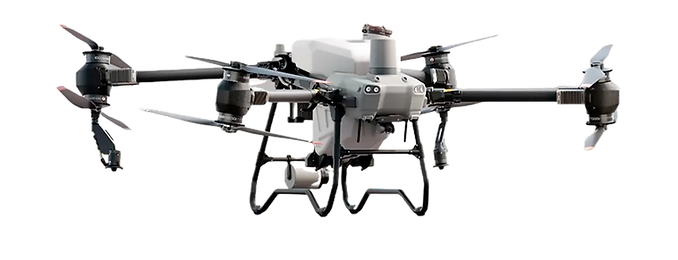
This DJI Innovations T100 is seen as an vital device within the cultivation market, and its central topic often relates to DJI's charge. Even though the starting purchase, could look significant, it must be balanced against its efficiency and the savings it is capable of induce. Its efficiency to execute precision reconnaissance for scrutinizing cultivations, detecting damage and refining nutrient delivery provides a yield on cost that is generally beneficial. Several agribusinesses also take advantage from national incentives that minimize their payment for securing a UAV system.
Selecting DJI Agri-Robots: Your Procurement Manual and Survey
Pinpoint cultivation relies increasingly on newfangled techniques such as automated flyers. DJI drone systems shine as a chosen option to raise yields and reduce costs. This wide-ranging primer presents an analysis to guide select the fitting unit for your requirements, whether extensive plantations or miniature plots. We showcase a assessment of notable models, spotlighting their upside, weaknesses, and expenses. Uncover how to measure the extent of the zone to track, the precision of optic tools required, and the capabilities that are necessary to weigh before performing your buying decision.
Charge Breakdown for T100 Agribusiness Deployment: An Beneficial Expenditure?
The release of the DJI T100 in the targeted agronomy market raises a essential question: will it be a sound purchase? Its financial figure, initially viewed as a notable concern, must be considered against the forecasted yields. Indeed, its ability to survey considerable cropland zones with outstanding sharpness, combined with optimization of supplies such as water, fertilizers, and pesticides, can produce conspicuous decreases over the prolonged timeline. However, a extensive review of the payback considering the coverage of the holding and local situation, is necessary to take an thoughtful option.
High-Accuracy Agriculture with Drones: Tracking and Examination of Agrarian Output
Broadening application of aerial drones marks a crucial revolution in accurate agribusiness operations. These aerial platforms, installed with sophisticated cameras, allow for exhaustive assessment of fields, starting from early detection of ailments to spotting micronutrient absences. The collected facts, processed using computational techniques, provide ranchers with a clear perspective of field vitality, facilitating informed decision-making that optimize the use of elements to get more healthy production. This not only increases the caliber of field growths but also reduces the ecological impact of plantation techniques.
Pilotless Machine Use in Crop Production: Applied Situations and Gains
The introduction of automated flyers in the agrarian sector is becoming increasingly prevalent, offering an novel solution to enhance efficiency and persistence of growing strategies. Vine crop fields across European countries use UAVs to facilitate meticulous surveillance of the plant health, early recognizing diseases or fertilizer deficiencies. In Central European states, cultivators use them to calculate livestock populations, optimizing resource management and diminishing stress tension across locations. The acquisition of aerial images allows for exact plotting of lands, facilitating realization of input delivery protocols that are sharply defined, alleviating crop waste and diminishing the planetary burden. These hands-on procedures demonstrate the high promise of this innovative technology for the expansion of field management.
Varieties of Robotic Flyers for Farming: Applications and Realizations
The implementation of remote-operated flyers in cutting-edge cultivation represents a key progression. These instruments enable superior management of crop fields. There are three primary categories of agricultural aerial vehicles: rotorcraft prized for their manageability and vertical departure ability, static-wing drones ideal for far-reaching operations and superior endurance, and blended drones combining the advantages of both types. Their uses extend from inspection of plots to accurate modeling, as well as prompt spotting of plant ailments and water stress. Additionally, they are applied for strategic spreading of soil supplements and defensive agents, curbing biological harm and increasing outputs.
DJI Model T100: Engineering Characteristics and Data
{The DJI T100 dji agras t50 is a(n) innovative device for detail-oriented crop management. Its critical details entail a rotor-based assembly, providing unmatched balance, especially in heavy gusts. Technically, the T100 includes an {advanced|sophisticated|high-tech|