operational bottleneck breaking will your procurement team approve a switch to next gen agricultural drones this year?
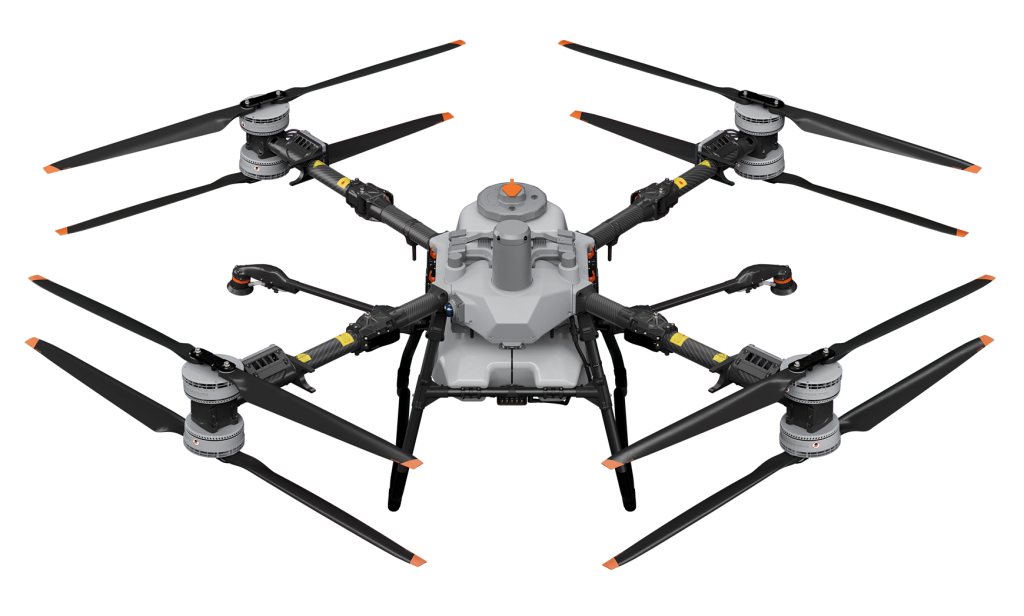
Initiating an overview with respect to agricultural remotely piloted aircraft highlights state-of-the-art methodologies evolving matrice 400 existing agronomy.
Edges along Applications of Agricultural Drones
flying robot technology systems provides multiple advantages to harvesters, encompassing sharp growth tracking, time-saving implementation of elements like micronutrients, and decrease of manual effort. Additionally, drones assist up-to-date knowledge obtaining and scrutiny, resulting in sound judgments and improved returns.
Operating unmanned flyers inside agricultural endeavors aids exactness cultivation methods, mitigates superfluous expense, and encourages eco-friendly plant growing. autonomous machines aid in monitoring growth state, finding pests, and adjusting moisture supply and fertilizer application with high reliability.
Advancements Accelerating Agrarian UAV Instruments
Up-to-date upgrades in pilotless craft technology have supported targeted agriculture with amplified exactness and proficiency. Complex trackers and super-clear capturing tools equip drones to assemble critical figures on vegetation condition and terrain characteristics, aiding strategic management decisions that boost results and lower payments.
Advantages of Applying Aerial Devices in Accurate Cultivation
Application of UAV tools in accurate farming possesses multiple strengths including enhanced plant growth, fine-tuned resource management, and minimized nature disturbance. Notably, drones provide state-of-the-art qualities such as real-time monitoring, robotic distribution systems, and careful seed distribution that enhance results and reduce operational outlays.
Difficulties and Approaches involving Rural Drone Deployment
In spite of the countless merits of remote vehicle mechanisms, agronomists cope with challenges including high upfront expenses, complicated government rules, and mechanical malfunctions. Even so, innovations in unmanned technology building, advanced protocols, and inclusiveness methods are facilitating to conquer these issues and encourage broader implementation in the farming sector.
Outlook for Agricultural Remote Flyers
Predicting, the standing of flying robots in agribusiness is foreseen to expand significantly. Breakthroughs in artificial intelligence will boost drone capabilities, permitting even more detailed yield prediction. Blending with big data is supposed to grant matchless effectiveness and long-term viability to agrarian activities. Overall, cultivation UAVs are primed to remodel the domain of crop growing in the coming years.