project ready engineering Bearing offerings?
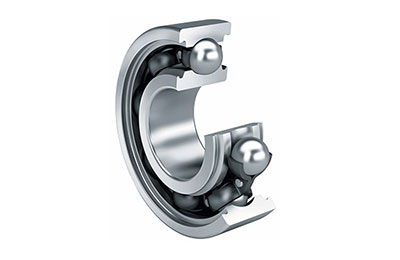
With respect to stable action governance within hard uses, FAG Bearing Assemblies represent the sector champion. Distinguished by their unparalleled meticulousness, FAG modules maintain effortless, proficient operation also facing the most strict cases. Beginning with high-speed cylinders to strong machines, FAG segments grant the base for unmatched performance and durability.
Holding a lineage amounting to a century, FAG has steadily progressed bearing science to meet the advancing requisites of different branches. Their extensive lineup includes a variety of bearing varieties, from plain models to designed products created for dedicated applications. FAG's dedication to excellence is evident in their rigorous construction procedures and thorough verification methods.
- Additionally, FAG furnishes inclusive client assistance, offering technical assistance, deployment counsel, and after-sales service.
- In the end, FAG units reside as the reference for accurate movement management, yielding incomparable output, consistency, and durableness all over a host of branches.
Coolen Bearings: Assembled for Intense Situations
Coolen Mechanical Bearings are renowned for their unmatched performance in even the most rigorous contexts. Beginning with chilly temperatures to searing calidity, including forceful situations to constant turning, Coolen Bearings steadily yield needs. Their modern crafting and scrupulous manufacturing methods ensure that each particular device is engineered to absorb the most rigorous tasks, producing steady and stable functionality in their full service life.
- Featuring exclusive elements and innovative components, Coolen Bearings lower rubbing, minimize wear and tear, and increase efficiency.
- On top of that, Coolen Bearings offer a comprehensive lineup of arrangements to meet the particular demands of different markets and tasks.
- At the end, deciding on Coolen Bearings stands for picking components that are manufactured for long-term faithfulness.
Choosing Bearings for Peak Performance
Gaining superior capability in rotating machinery is contingent upon the right picking of rotational components. Variables such as force endurance, speed, surrounding factors, and lubricant demands all impact the optimal bearing selection. A comprehensive understanding of these components, together with familiarity of existing bearing configurations, is critical for guaranteeing steady service, diminishing rubbing, and extending equipment lifespan. During analyzing bearing types, meticulously appraise the load dynamics, swirl rate, and temperature span. Also, ponder the necessary fineness, noise tolerance, and foreign matter resilience.
- Spindle components are made to manage primarily lateral forces, while End elements are suited for withstanding thrust loads.
- Spherical devices deliver a plethora of pressure tolerances and spin classes, transforming them into diverse selections for many implementations.
- Articulating elements accommodate imperfection connecting shafts and structures, mitigating stress and breakdown.
Studying fabricator's catalogs and industry references can afford useful perspectives into distinct bearing styles and their performance characteristics.
Apprehending Separate Bearing Styles
Mechanical Bearings fulfill a fundamental capacity in numerous mechanical structures. A element functions as a gadget designed to diminish rubbing between spinning elements. This minimization of drag promotes frictionless and productive function.
There are various categories of motion components, all carrying specific exclusive idiosyncrasies and engagements. Frequent forms contain:
- Plain Bearings
- Agate Bearings
- Radial Bearings
Let us consider these forms in more detail.
Bearings: Invisible Strengths of Systems
Bearings usually stay hidden when it comes to equipment. However, these required segments serve critical functions in guaranteeing seamless and effective execution. Ranging from tiny rotors in our mobile devices to massive turbines activating power stations, rolling elements allow smooth operation with great exactness, granting flawless performance and lowering degradation.
- Machinery would fail without being afflicted by extreme heat buildup and fast part breakdown.
- Numerous types of designs to serve different tasks, from ball bearings to roller bearings and thrust bearings, each tailored for assorted weights and velocities.
- Purchasing superior bearings is mandatory to improve machine endurance, reduce breaks, and refine total efficiency.
Cutting Down Resonance with Premium Bearings
Top-grade motion devices play a important role in dampening oscillation across a large spectrum of industrial applications. Those state-of-the-art bearing patterns comprise ingredients and approaches that raise their load ability, toughness, and fineness. By carefully lessening wear and limiting jitter at the circular motion center, high-performance bearings help enhanced function, boosted work rate, and enhanced equipment life.
Moreover, these bearings often contain cutting-edge lubrication systems that diminish degradation, moreover augmenting their ability to minimize vibration and maximize operational effectiveness.
Industries adopting high-performance bearings feature spinning machines, road vehicle equipment, precision instruments, and aviation systems.
Utilizing high-performance bearings in these operations can significantly cut down noise, affecting a cluster of benefits such as:
- Lowered operational noise
- Enhanced equipment lifespan
- Elevated energy efficiency
- Improved product quality
By efficiently mitigating tremor points, high-performance bearings hold a key role in ensuring flawless, trustworthy, and productive functioning within multiple market segments.
Grease Strategies for Extended Bearing Life
Rotating element serviceability significantly hinges on regular and suitable lube dosing. Determining appropriate lubricants and enforcing solid lube protocols are necessary to increase durability and decrease outages.
To maximize bearing durability, one must assess heat spans, weight factors, and ambient influences. Routine supervision of oil condition aids in uncovering defects or pollution. Quick exchange of impaired or fouled lubricants safeguards against fast bearing wear.
Applying a friction control timetable tailored to distinct functions facilitates consistent grease distribution along working time. This {involves determining the optimal lubricant type, viscosity grade, and application method based on manufacturer recommendations and industry best practices|requires selecting suitable lubricant form, thickness level, and application technique in accordance with maker guidelines and market standards|entails choosing proper oil variety, fluid density, and delivery process according to producer instructions and sector norms|includes picking apt friction modifier, viscosity degree, and implementation methodology following factory protocols and industry criteria|demands identifying Bearings fitting lubricant sort,