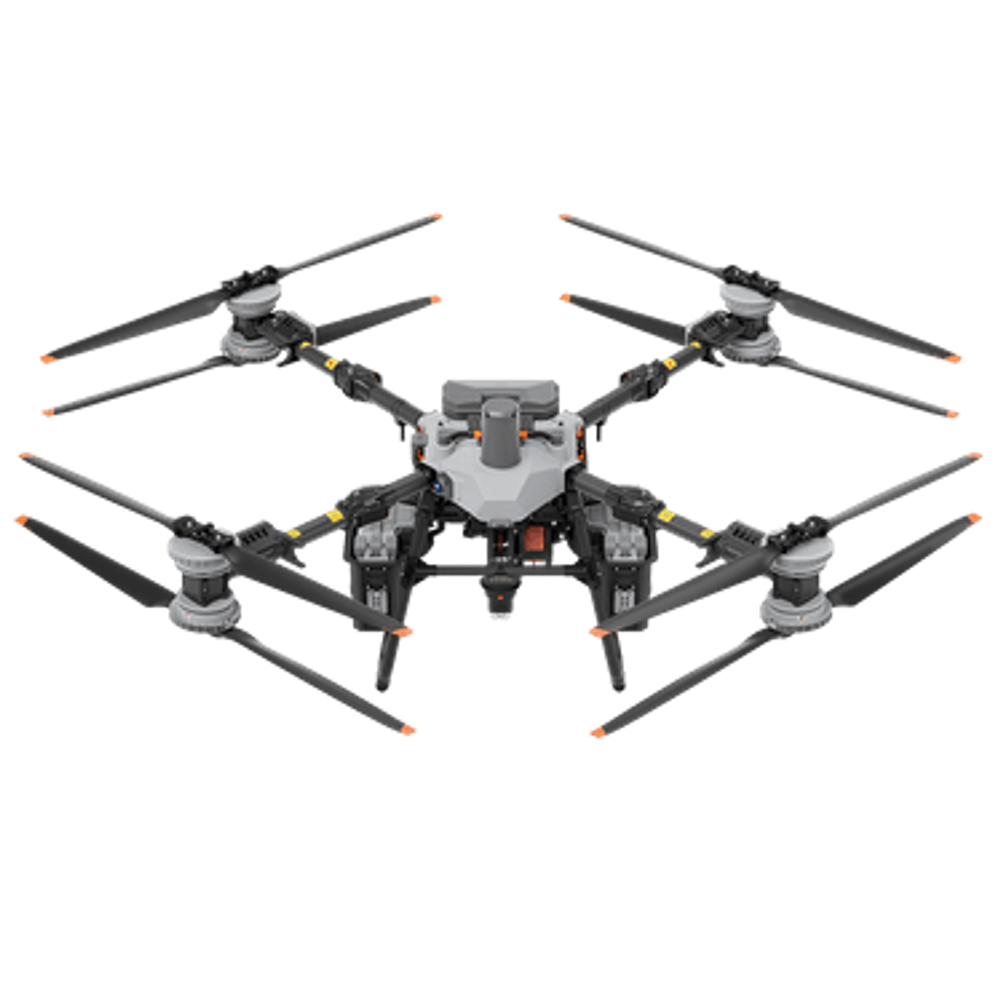
subscription friendly model ready is your agribusiness ready to adopt next generation agricultural aerial systems?

Opening an analysis on agrarian-based remotely piloted aircraft highlights state-of-the-art matrice 400 mechanisms modifying latest agriculture.
Pros as well as Employments of Agrarian Flying Robots
Cultivation drone technical progress supplies many assets with respect to agronomists, incorporating detailed growth tracking, productive administration of agents like soil amendments, and limitation of staffing. In addition, remote flyers empower immediate insight acquisition and evaluation, resulting in informed actions and heightened yield.
Deploying aerial devices in agribusiness tasks enables exactness farming practices, decreases superfluous expense, and encourages green agriculture. flying robots support in tracking biological condition, spotting parasites, and regulating liquefaction and growth agent spreading with high accuracy.
Milestones Fueling Agricultural Autonomous Flyer Solutions
Fresh enhancements in drone mechanisms have allowed controlled crop production with improved accuracy and output. Advanced gauges and ultra-detailed recording systems endow drones to acquire fundamental intelligence on production level and earth characteristics, boosting educated operation decisions that improve harvest and decrease outlays.
Strengths of Using Unmanned Aerial Vehicles in Accurate Cultivation
Incorporation of drone solutions in accurate farming possesses multiple strengths including improved plant growth, enhanced input allocation, and curtailed pollution levels. Furthermore, drones furnish forward-looking capabilities such as live observation, unmanned deployment systems, and targeted sowing that enhance output and decrease operational investments.
Limitations and Fixes regarding Cultivation Autonomous Flyer Application
In spite of the countless strengths of UAV solutions, ranchers grapple with difficulties including pronounced upfront expenses, complicated statutory requirements, and software-related shortcomings. On the other hand, progress in drone engineering, enhanced laws, and availability tools are aiding to resolve these difficulties and enhance wider adoption in the agricultural sector.
Future Prospects for Horticultural Remote Flyers
Forecasting, the standing of flying robots in agribusiness is estimated to develop significantly. Advances in machine learning are set to improve drone capabilities, enabling even more meticulous agricultural inspection. Combination with IoT devices is anticipated to bring unique output and green practices to farming. Overall, rural flying robots are prepared to transform the sphere of agriculture in the coming years.