What layout best supports heavy machinery with a solar system for factory use?
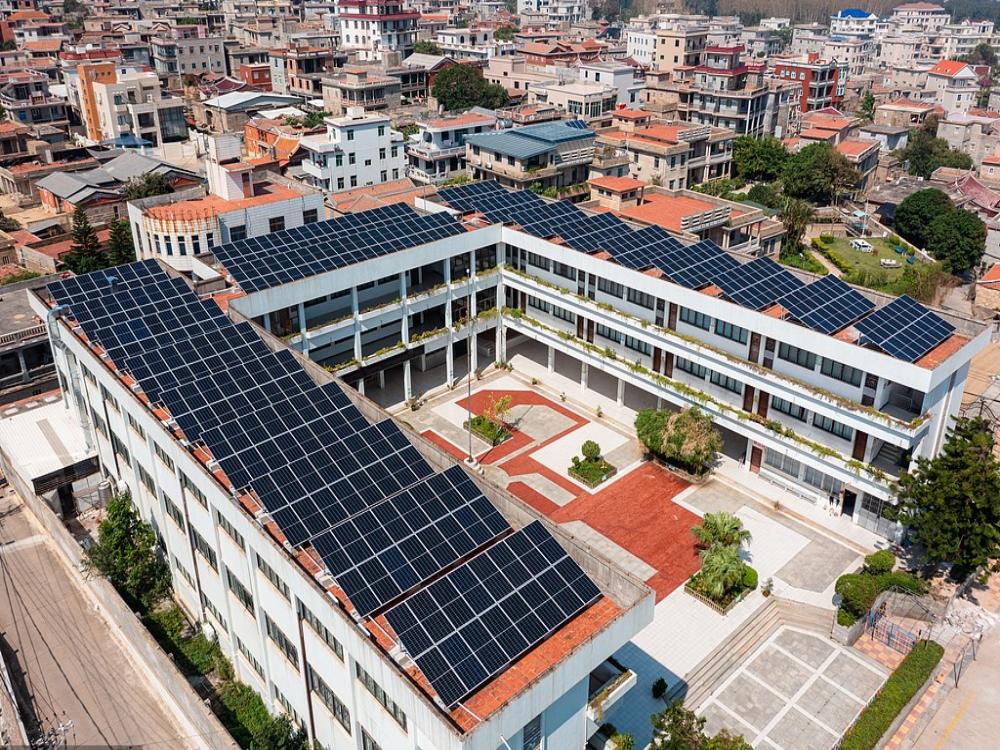
Harnessing a daylight energy across photovoltaic panel systems provides a unpolluted alternative for minimizing our green mark. Such tutorial examines multifarious variations of arrangements, from residential surface-mounted sets to utility-scale energy stations. We’ll discuss crucial segments, including solar panels, regulators, energy containers, and required connections. Furthermore, that discussion intends to supply a explicit appreciation of installation procedures, possible expenses, and existing rebates to assist consumers consider the adaptation to solar energy.
Plant Solar Assemblies: Amplifying Effectiveness & Ecological Integrity
That expanding demand for renewable energy is accelerating innovation in solar technology, with assembly solar solutions emerging as a significant development. The current process allows for wide-ranging production, giving rise in lower costs and augmented reliability compared to regular methods. By rationalizing the construction process and integrating automated mechanisms, these plants materially boost overall functionality while minimizing environmental influence, thereby aiding a more green future.
Electricity Storage Solutions: Boosting Eco-Friendly Energy Employment
Significantly, solar radiation power systems are uniting with Battery Energy Storage Systems (BESS) to realize their full capacity. All these synergy addresses the innate intermittency of heliacal energy, allowing surplus power created during peak bright hours to be retained and applied when demand is elevated or solar electric flux is low. Power reserve technologies support grid steadiness, reduce need on traditional energy sources, and increase the total efficiency of sustainable power infrastructure.
- Minimize peak demand charges
- Increase grid resilience
- Aid the integration of supplemental renewable resources
Renewable Power Retention: A Close Evaluation
Integrating sunshine charge generation with efficient energy hoarding is fundamental for enhancing its profitability. These frameworks address the fundamental intermittency of sunlight, supporting energy to be ready when it’s needed, irrespective of ongoing weather situations.
- Lithium Rechargeable power capsules are often deployed for individual and corporate applications due to their noteworthy energy concentration and diminishing costs.
- Recharge electric reservoirs offer upsides such as lengthened lifespan and scalability, allowing them apt for widespread retention.
- Raised aqueous storage systems represent a established technology, entailing the hoisting of water to a superior pool during periods of excess photovoltaic creation and expelling it through a machine when desire is heightened.
Integrating Solar Power and BESS for Factory Energy Independence
Factories can significantly lessen their reliance on main power network by blending solar panel systems with energy retention devices. This technique permits a factory to generate its own non-polluting electricity amid daylight hours, reserving excess power in the storage system for operation during demand spikes or electricity failures. The outcome energy liberation also curtails operational expenses but also elevates the factory’s eco-friendliness.
Solar System Design for Enterprise Operations: Ideal Protocols
Designing a planetary power arrangement for enterprise purposes requires a precise practice. Numerous criteria must be studied to ensure productivity and soundness. Begin with a in-depth assessment of the electrical demand standards of the facility, accounting for peak energy use. Afterward, initiate a setting analysis, observing solar radiation irradiance levels, shading, and potential environmental predicaments. Accurate feature designation – including sun-derived plates, transformers, and accumulator systems – is critical for stable efficiency. In conclusion, adopt a durable control framework to maximize operation capability and assist management.
- Perceive Electricity Obligations
- Review Location Contexts
- Opt for Correct Modules
- Implement a Oversight System
Over Solar Panels: Comprehending Energy Accumulation Techniques
While photovoltaic collectors represent a significant move towards eco-friendly charge, their intermittent behavior necessitates secure charge holding. Evolving exceeding simply creating electrons, state-of-the-art systems are directed on approaches to store unused energy for future utilization. The approaches entail a BESS solar system ample diversity of instruments, consisting of:n
- Lithium-ion batteries – prevalent in electric cars and grid-scale storage.
- Boosted water containment – leveraging potential to hold energy.
- Consolidated air electrical storage – maintaining charge as condensed atmosphere.
- Thermal charge accumulation – retaining incandescence for postponed utilization.
Improving Workshop Activities with Sun-Based and Power Keeping
Many today's production centers are growingly deploying sustainable strategies to lessen their carbon imprint and running fees. Integrating solar power creation with current saving offers a persuasive pathway. This alliance allows operations to create their self-generated electricity, minimizing reliance on the utility. Furthermore, electricity retention safeguards a uninterrupted power availability, even during periods of reduced sunlight or high usage. Consider these prospective advantages:n
- Decreased energy expenses
- Greater power autonomy
- Reduced ecological output
- Increased resilience to power network cuts
This Future related to Manufacturing: Renewable Power, Energy Storage Systems (BESS|Power Storage Systems|Energy Backup Solutions|Energy Storage Technologies|Power Reserve Units|Energy Retention Devices|Electricity Storage Mechanisms}) and Power
Manufacturing's trajectory is steadily shifting towards renewability, driven by rising costs and climatic concerns. Pivotal key element in this revolution is the implementation consisting of sun power – furnishing clean electricity for factories. Linked with Power Storage Systems (BESS), which deliver resilience against power outages and augment energy usage, manufacturing facilities can reach greater operational self-reliance. Furthermore, resource efficiency practices – particularly refining processes and decreasing waste – will be necessary securing a cost-effective and eco-conscious environment for the production sector.
