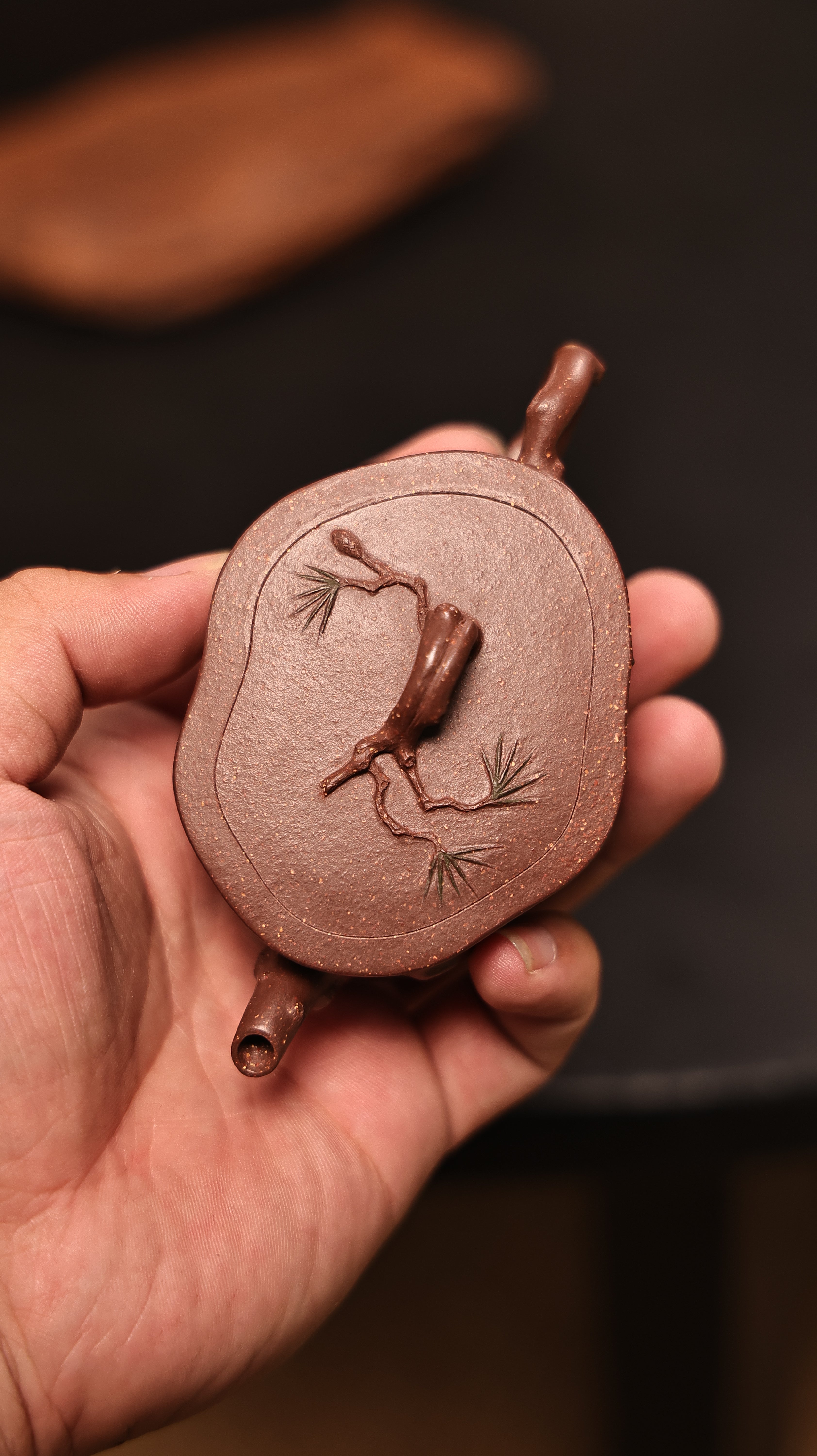
Why do some tea masters dedicate an entire shelf to each Purple Clay Teapot?
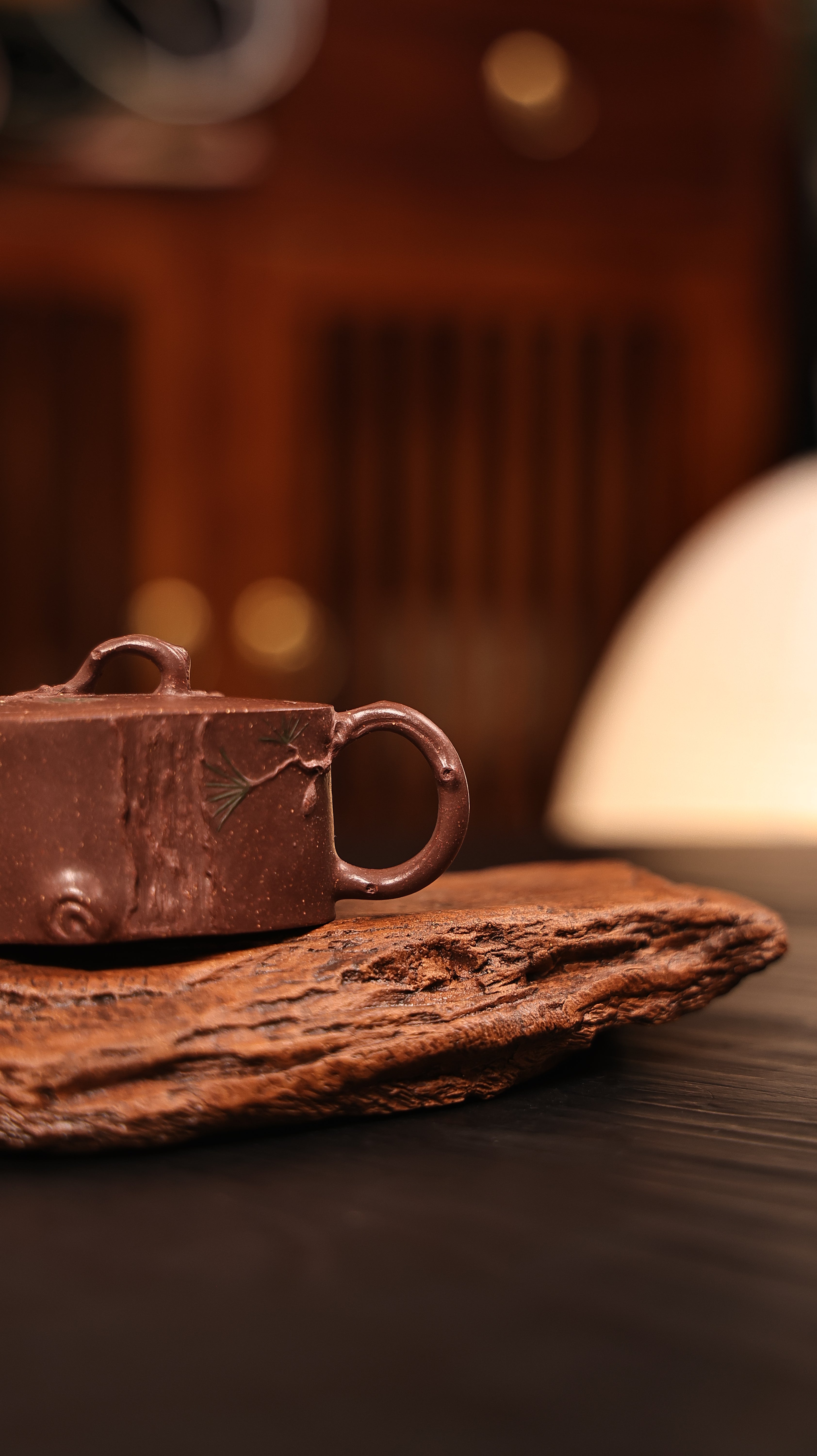
Throughout enduring chronicles,
Over ages, gatherers have been captivated by the extraordinary charm of Yixing Zisha carafes. Originating from the region of Yixing in Jiangsu, these wares are renowned for their notable beauty, unusual clay, and built-in ability to refine the flavor of the infusion. The material's distinctive mahogany hue, combined with the adept manufacture of provincial sculptors, creates products that are concurrently functional objects and treasured financial interests. Purchasing a Zisha teapot is more than just every purchase; it's adopting a rich ethnic heritage.
Grasping Yixing Teapots: Narrative, Types, and Value
This Yixing teapots serve as a notable past deeply intertwined with Chinese culture. Deriving in the Yixing region of Jiangsu province, these clay vessels contain a heritage tracing back to the Ming Dynasty. Preliminary examples were functional, but amidst centuries, Yixing teapot fabrication evolved into an esteemed art form. The clay itself, known for its unique structure and ability to influence the flavor of the tea, stays a defining factor. Yixing teapots exist in various styles, broadly categorized by shape: Historic such as Zhuni (purple clay) and Bisheng, as well as refined designs. The esteem of a Yixing teapot varies on several factors, including the potter’s name, the age of the piece, the rarity of the clay, and its aesthetic quality.- Story: Historic epoch
- Composition: Diverse kinds
- Assessment Factors: Scarcity
Zisha Craftsmanship: Methods and Makers
Distinct formation of a superior Zisha teapot is a detailed process, requiring extensive times of practice. Skilled artisans meticulously gather the best Zisha clay, a rare earth found only in specific regions of China. Classic techniques, often conveyed through families, involve careful shaping, sensitive carving, and methodical firing in ancient furnaces. The end teapot isn't merely a utensil; it's a testament to imaginative vision and the deep connection between the sculptor and their ancestry. Each item showcases the singular touch of the potter, resulting in a truly singular work of expression.
Chinese Earthenware: Discovering the Broad Heritage of the Yixing Territory
Renowned Yixing, established in Jiangsu the territory, is broadly renowned for its exceptional vessels – a tangible representation of centuries of Chinese artisanry. These aren't merely vessels for steeping tea; they are intricate works Zisha Teapot of expertise, often reflecting cultural ideals. That unique purple clay, known as Zisha, possesses uncommon qualities: it is dense, letting air through, and imparts a subtle taste to the tea.
- Various tribes have honed the techniques of Yixing ceramic making, passing down time-honored methods through generations.
- Connoisseurs prize these pieces for their grace and scarcity.
- Several urn tells a tale, connecting the consumer to a rich lineage.
Engaging in Yixing Zisha: Vital Indicators
While evaluating obtaining Yixing Zisha earthen pots, several aspects necessitate careful inspection. In the first place, the earth's tone is vital; authentic Zisha habitually exhibits a definite brick undertone. Moreover, scrutinize the skill; sharp details and a refined texture demonstrate adept construction. Finally, research the maker’s background; esteemed names garner elevated costs and often deliver a stronger yield.
Zisha Teapot Tea Brewing Mastery
Producing palatable tea with a Zisha carafe is more over a simple habit; it's an skill. Zisha clay, noted for its unique natural composition, imparts a gentle character to the finalized tea that’s often missing with other containers. The proper water temperature is key; typically, subdued than what's used for black tea, to conserve the tea's bouquet and palate. Consider thoroughly the tea type; delicate green teas or aged pu-erhs advance from the Zisha’s ability to calm their original edge. It’s vital to rinse the teapot before brewing, and to exclude over-steeping. Mastering this skill leads to a sincerely exceptional tea enjoyment.
- Recognizing Zisha Clay
- Temperature Control & Tea Sort
- Role of Pre-treatment
Protecting Your The Kettle
With the aim of prolong the life of your esteemed Yixing vessel, regular management is truly essential. Shun using cleaning agents; instead, non-aggressively spray it with lukewarm H2O. Refrain from sudden variations; don't deposit the vessel directly onto a thermally active platform. Periodically, season the pot by brewing it with superior black concoction, as this assists to boost its flavor and conserves the inherent merits of the substance.
Concerning Element to Drinkware: The Process of a Traditional Container
A creation of a Zisha teapot is a exceptional approach, a symbol to both the ecosystem’s bounty and the ability of the handworker. It initiates with the rigorous extraction of the distinctive clay from the burgundy Zisha mines in proximity to Yixing. This pristine material, known for its outstanding attributes, is then measuredly washed and arranged for the first forming. The container's silhouette is masterfully crafted using a amalgamation of time-honored modeling processes, often incorporating fancy designs. Following settling, the jar undergoes a indispensable first firing, succeeded by a finishing stage, which might involve a series of layers of pure Zisha solutions. Finally, a second, and sometimes third, firing at elevated temperatures finalizes the artifact, revealing its ultimate beauty and remarkable characteristics - a legitimate masterpiece, arranged to compliment a tea ceremony.
{Yixing Teapots: A Embodiment of the Custom and Tribute
Legendary Yixing teapots, originating from the noted Yixing region of Jiangsu province, are far more than mere vessels for brewing the beverage; they represent a significant aspect of Chinese heritage. Created from distinctive purple clay – zisha – these extraordinary teapots are highly cherished for their ability to enrich the flavor of the tea and, crucially, for their grace. The background of Yixing teapot making spans centuries, and the technique involved is entrusted through generations, making each teapot a cultural artifact that embodies lasting techniques and a profound appreciation for the pure pleasures in life.