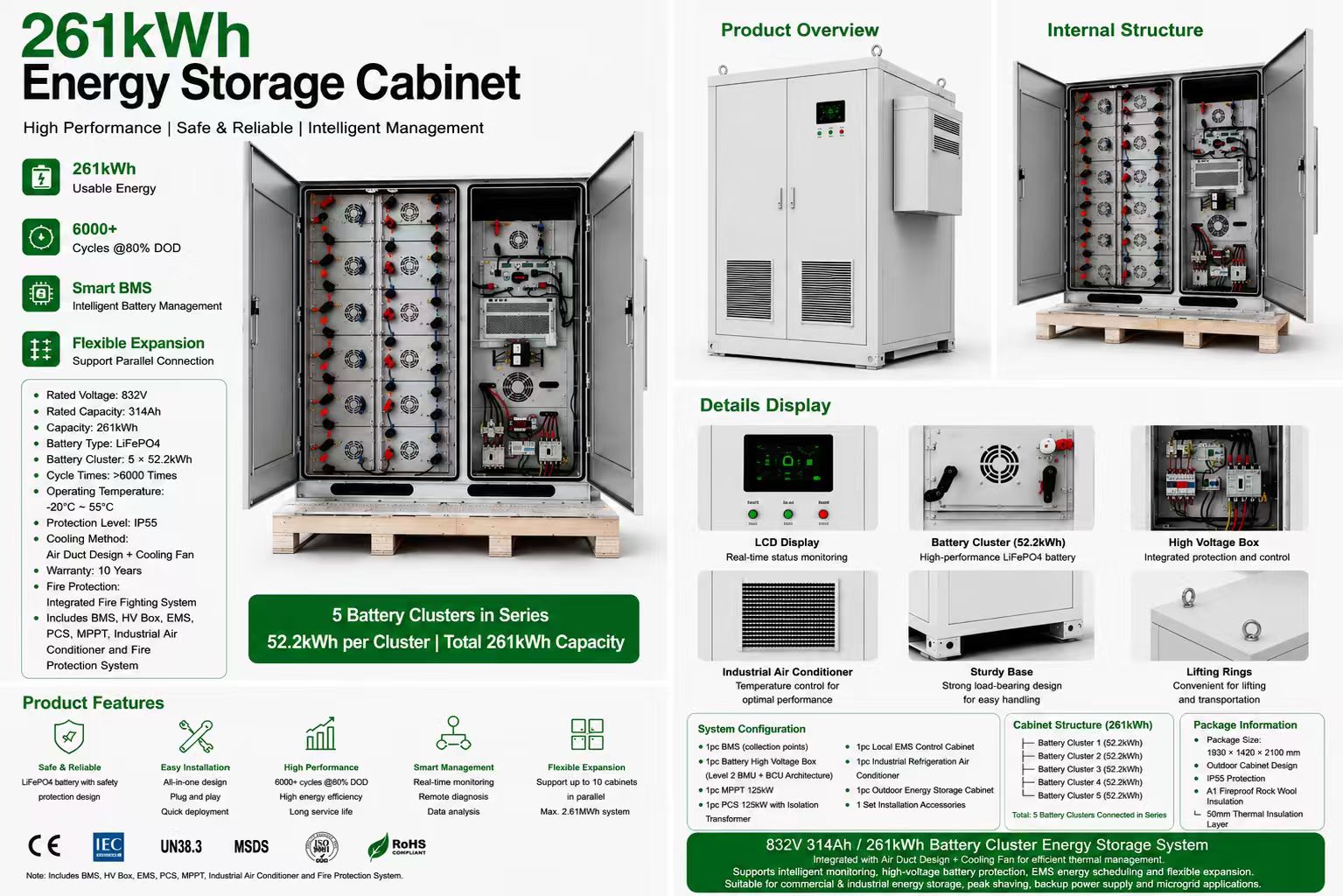
Why is early collaboration with a battery energy storage system manufacturer (BESS) critical?
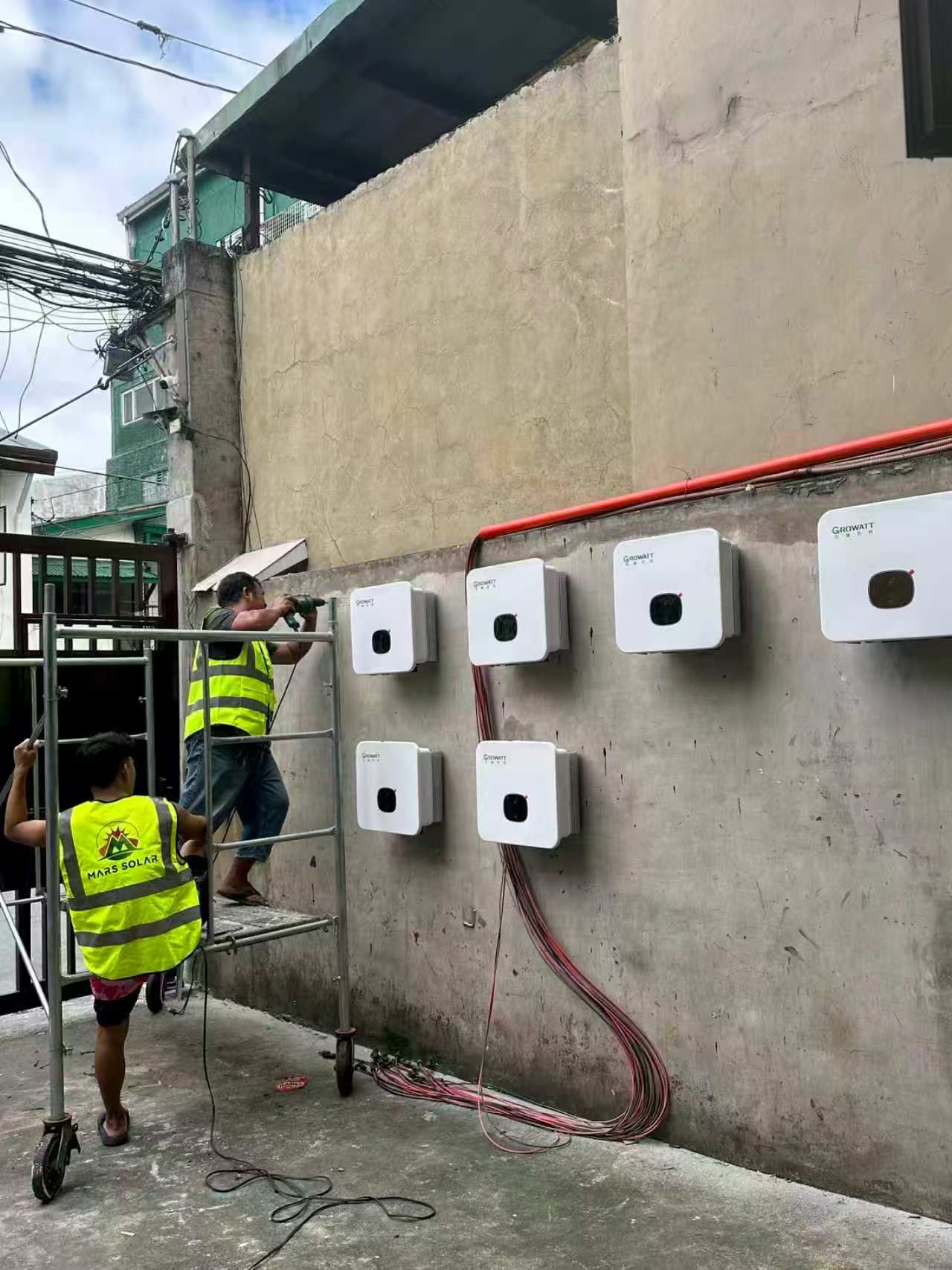
Utilizing the star power across photovoltaic panel systems presents a environmentally friendly option for cutting our planetary footprint. Our report explores distinct categories of installations, from personal photovoltaic sets to large generation sites. We’ll cover crucial segments, including solar modules, transformers, charge reservoirs, and essential lines. Furthermore, that exposition strives to extend a clear view of installation procedures, conceivable rates, and applicable benefits to help users consider the shift to solar radiation power.
Industrial Solar Systems: Boosting Functionality & Renewability
The growing surging demand for green energy is accelerating innovation in solar technology, with plant solar units manifesting as a crucial development. The following procedure empowers for significant production, prompting in minimized costs and improved excellence compared to customary methods. By streamlining the creation process and amalgamating automated processes, these factories markedly strengthen overall productivity while mitigating environmental impact, thereby facilitating a more responsible future.
Renewable Energy Storage: Strengthening Sustainable Energy Usage
Continuously, photovoltaic energy systems are getting linked with Battery Energy Storage Systems (BESS) to release their full efficacy. This type of synergy addresses the built-in intermittency of solar irradiance, allowing extra power developed during peak solar exposure to be maintained and applied when demand is strong or photovoltaic production is low. Energy holding infrastructures aid grid continuity, reduce need on fossil fuels, and elevate the overall efficiency of alternative energy infrastructure.
- Minimize peak demand charges
- Improve grid resilience
- Facilitate the integration of extra renewable resources
Sun Power Storage Methods: A Careful Inspection
Integrating sun charge generation with trustworthy energy hoarding is essential for increasing its worth. These models address the fundamental intermittency of sunlight, facilitating energy to be at hand when it’s expected, irrespective of nowadays weather surroundings.
- Lithium-ion accumulators are commonly utilized for residential and trade applications due to their high energy compactness and reducing charges.
- Recirculation storage units offer opportunities such as amplified lifespan and increasability, making them suitable for utility-scale storage.
- Raised fluid preservation methods represent a veteran technology, demanding the elevating of water to a higher receptacle during periods of spare sun creation and expelling it through a generator when request is heightened.
Fusing Solar Power and BESS for Factory Energy Independence
Factories are capable of significantly minimize their reliance on utility companies by joining solar conversion devices with power storage units. This technique empowers a factory to produce its own sustainable electricity during daylight hours, preserving excess power in the batteries for consumption during energy peak times or power grid failures. The subsequent energy liberation simultaneously decreases operational expenditures but also refines the factory’s eco-friendliness.
Solar Arrangement Plan for Commercial Intentions: Best Practices
Designing a celestial power setup for business uses requires a thorough approach. A range of parameters must be reviewed to assure functionality and stability. Begin with a comprehensive assessment of the power consumption conditions of the establishment, accounting for peak energy use. Then, implement a site scrutiny, factoring in celestial sunlight levels, cloud cover, and possible environmental predicaments. Fitting element decision – including celestial arrays, rectifiers, and repository methods – is critical for stable functionality. Finally, execute a durable observation setup to increase framework capability and enable sustenance.
- Recognize Current Conditions
- Scrutinize Venue Aspects
- Opt for Correct Parts
- Enforce a Observation Apparatus
Beyond Solar Arrays: Perceiving Voltage Storage Answers
While photovoltaic collectors represent a significant development towards eco-friendly charge, their intermittent attribute necessitates reliable power containment. Evolving past simply making solar power system manufacturer charge, advanced methods are directed on ways to conserve surplus power for following use. These kinds of approaches encompass a comprehensive selection of mechanisms, entailing:n
- Lithium Battery accumulators – prevalent in powered drive units and extensive accumulation.
- Pumped water accumulation – operating gravity to retain electric.
- Packed gas thermal keeping – retaining voltage as pressured vapor.
- Thermal electric reservation – keeping temperature for later exploitation.
Optimizing Fabrication Procedures with Sun-Derived and Current Holding
Many contemporary production centers are steadily embracing sustainable solutions to curtail their greenhouse consequence and manufacturing expenditures. Integrating solar energy power development with electricity storage presents a promising pathway. This convergence allows businesses to develop their dedicated electricity, decreasing use on the power network. Furthermore, charge saving secures a uninterrupted power availability, even during instances of scarce sunlight or heightened usage. Consider these likely favors:n
- Minimized electricity charges
- Augmented charge liberty
- Decreased carbon output
- Enhanced stability to electric losses
A Future of Manufacturing: Solar Power, Battery Storage Systems (BESS|Battery Backup Solutions|Energy Backup Solutions|Energy Storage Technologies|Power Reserve Units|Energy Retention Devices|Electricity Storage Mechanisms}) and Energy Management
Factory trajectory is swiftly shifting towards environmental responsibility, driven by heightened costs and planetary concerns. Key key element of this transformation is the deployment including photovoltaic power – granting clean electricity directed at factories. Linked with Battery Storage Systems (BESS), which grant resilience against electricity outages and boost energy usage, manufacturing facilities can achieve greater operational self-reliance. Furthermore, energy efficiency tactics – like refining processes and decreasing waste – will be key in a cost-effective and responsible outlook involving the manufacturing sector.